If you or your family have memories of a cherished Kalnirnay calendar from 1990 or any other year, we'd love to hear your story. Share your thoughts and nostalgic moments in the comments below.
In 1990, households did not have smartphones, internet access, or digital reminders. The wall calendar hung in a central location, usually the kitchen or living room. It was the ultimate authority on whether a bank was closed, when a fast (Upvaas) needed to be observed, or when an eclipse (Grahan) would occur. It bound families together through shared adherence to routines and traditions. Why People Search for the 1990 Calendar Today
Classic consumer goods, staples like tea brands, and home remedies like Balaji Tambe's Ayurvedic products or local toothpowders. Why People Search for the 1990 Kalnirnay Today
The back pages of the 1990 edition featured curated seasonal recipes by culinary experts. From traditional Maharashtrian delicacies like Puran Poli , Ukadiche Modak , and Aluchi Vadi to the then-trending "exotic" North Indian or Chinese dishes adapted for Marathi kitchens, these recipes were meticulously clipped out and saved by home cooks. 2. Literary and Informative Articles kalnirnay 1990 marathi calendar
Specific fast days, along with the precise moonrise timings ( Chandraodaya ) required to break the Sankashti fast. The Digital Revival and Archival Value
This public link is valid for 7 days and shares a thread, including any personal information you added. This link or copies made by others cannot be deleted. If you share with third parties, their policies apply. Can’t copy the link right now. Try again later.
The Kalnirnay 1990 Marathi calendar can be used to: If you or your family have memories of
The was more than paper and ink; it was an indispensable component of Marathi identity. It helped navigate the rhythm of daily life, connecting generations through shared cultural experiences. While technology has changed how we track time, the reliance on accurate traditional scheduling, a tradition upheld by Kalnirnay, remains strong.
Kalnirnay 1990 Marathi Calendar: A Nostalgic Journey into Maharashtra’s Cultural Heritage
They often provide access to archives or allow you to buy "Birth Date" prints for specific years. PDF Archives: The wall calendar hung in a central location,
The year 1990 saw a traditional alignment of months following the lunisolar calendar, where the Marathi months – starting from Chaitra (roughly April) to Phalgun (roughly March)—were perfectly documented.
Today, the Kalnirnay 1990 Marathi calendar is a sought-after item for collectors, historians, and vintage enthusiasts. It serves as a tool for researchers calculating historical dates, planetary positions, or studying the evolution of print advertising in Maharashtra. It represents a simpler time when an entire family relied on a single piece of wall art to navigate their year.
The year ended with Datta Jayanti (December 20) and preparations for winter solstice. The calendar also featured a grid for Khar mass (inauspicious period), which occurred in December 1990, advising against new ventures.
The pages maintained the iconic, eye-friendly signature yellow background that minimized glare when hung on living room walls.
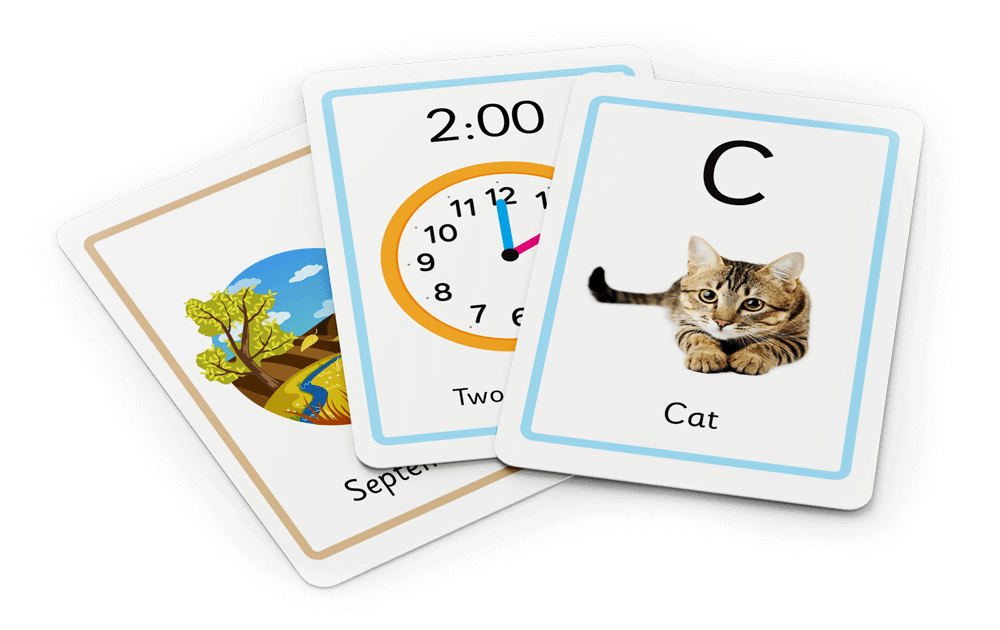
Designed specifically for young children, a great way to introduce the Arabic alphabet. Take a look at our flashcard video to accompany these flashcards and how to pronounce the letters.
These flashcards are completely FREE for personal, educational and non-commercial use.
If you or your family have memories of a cherished Kalnirnay calendar from 1990 or any other year, we'd love to hear your story. Share your thoughts and nostalgic moments in the comments below.
In 1990, households did not have smartphones, internet access, or digital reminders. The wall calendar hung in a central location, usually the kitchen or living room. It was the ultimate authority on whether a bank was closed, when a fast (Upvaas) needed to be observed, or when an eclipse (Grahan) would occur. It bound families together through shared adherence to routines and traditions. Why People Search for the 1990 Calendar Today
Classic consumer goods, staples like tea brands, and home remedies like Balaji Tambe's Ayurvedic products or local toothpowders. Why People Search for the 1990 Kalnirnay Today
The back pages of the 1990 edition featured curated seasonal recipes by culinary experts. From traditional Maharashtrian delicacies like Puran Poli , Ukadiche Modak , and Aluchi Vadi to the then-trending "exotic" North Indian or Chinese dishes adapted for Marathi kitchens, these recipes were meticulously clipped out and saved by home cooks. 2. Literary and Informative Articles
Specific fast days, along with the precise moonrise timings ( Chandraodaya ) required to break the Sankashti fast. The Digital Revival and Archival Value
This public link is valid for 7 days and shares a thread, including any personal information you added. This link or copies made by others cannot be deleted. If you share with third parties, their policies apply. Can’t copy the link right now. Try again later.
The Kalnirnay 1990 Marathi calendar can be used to:
The was more than paper and ink; it was an indispensable component of Marathi identity. It helped navigate the rhythm of daily life, connecting generations through shared cultural experiences. While technology has changed how we track time, the reliance on accurate traditional scheduling, a tradition upheld by Kalnirnay, remains strong.
Kalnirnay 1990 Marathi Calendar: A Nostalgic Journey into Maharashtra’s Cultural Heritage
They often provide access to archives or allow you to buy "Birth Date" prints for specific years. PDF Archives:
The year 1990 saw a traditional alignment of months following the lunisolar calendar, where the Marathi months – starting from Chaitra (roughly April) to Phalgun (roughly March)—were perfectly documented.
Today, the Kalnirnay 1990 Marathi calendar is a sought-after item for collectors, historians, and vintage enthusiasts. It serves as a tool for researchers calculating historical dates, planetary positions, or studying the evolution of print advertising in Maharashtra. It represents a simpler time when an entire family relied on a single piece of wall art to navigate their year.
The year ended with Datta Jayanti (December 20) and preparations for winter solstice. The calendar also featured a grid for Khar mass (inauspicious period), which occurred in December 1990, advising against new ventures.
The pages maintained the iconic, eye-friendly signature yellow background that minimized glare when hung on living room walls.
Visit our YouTube channel for more videos.