Favored by video enthusiasts for its flexibility. Unlike VCD, which was limited to single audio and video tracks, an MKV container can store unlimited audio tracks, subtitles, and metadata in one file.
You have a Car headrest DVD player that only reads 320x240 MPEG-1. The Alternative: Downscaling. Use FFmpeg to convert modern files back to VCD specs, but with better source material.
4.7 GB (over six times the capacity of a standard CD).
To create a VCD quality alternative from existing VCD media, you can use several tools to convert the .DAT files on the disc to .MP4 .
This public link is valid for 7 days and shares a thread, including any personal information you added. This link or copies made by others cannot be deleted. If you share with third parties, their policies apply. Can’t copy the link right now. Try again later.
#HomeTheater #RetroTech #VCD #MovieNight #TechUpgrade
To find a modern alternative, we must first look at the technical benchmarks of VCD quality:
: Delivers full 1080p resolution (1920x1080 pixels).
The future of VCD quality alternatives is likely to be shaped by the increasing demand for high-definition video and the growing popularity of online video streaming. As technology continues to evolve, we can expect to see new formats and codecs emerge that offer even better video quality and compression efficiency.
What do you currently use to play your videos? Do you have existing VCD files that you need to convert? Share public link
The most direct technical evolution of the VCD. It utilizes MPEG-2 compression and boosts the resolution to 480x480 (NTSC) or 480x576 (PAL). While still an obsolete physical format, SVCD files provide a noticeable jump in sharpness and clarity over standard VCD.
: Requires modern processors for smooth playback and encoding.
If you are looking to upgrade from VCD, here are the most effective alternatives based on your specific needs:
MPEG-1 compression creates noticeable "blocking" and color banding during fast-moving scenes.
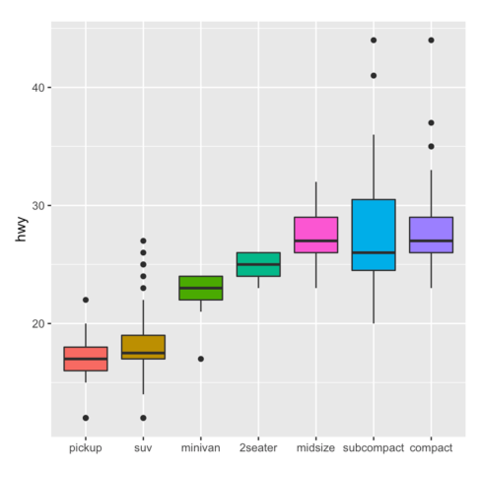
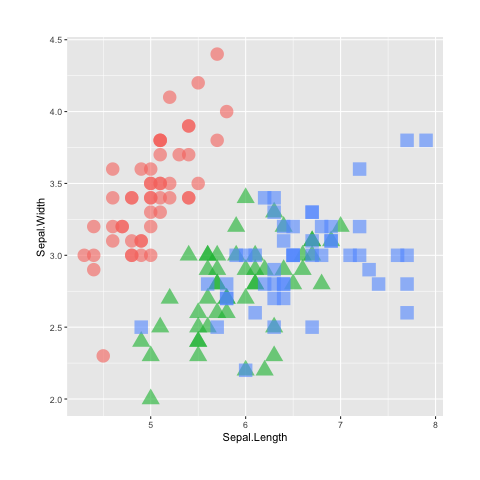
geom
ggplot2 builds charts through layers using
geom_ functions. Here is a list of the different
available geoms. Click one to see an example using it.
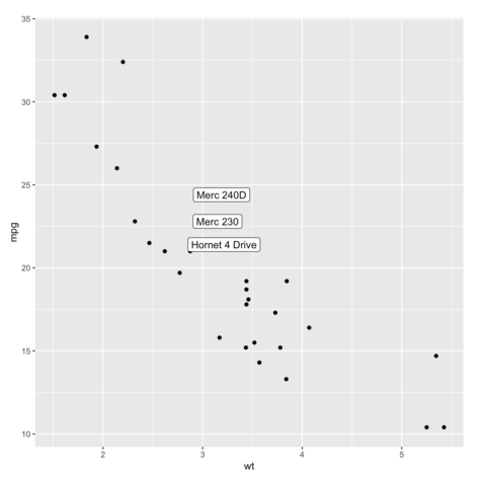
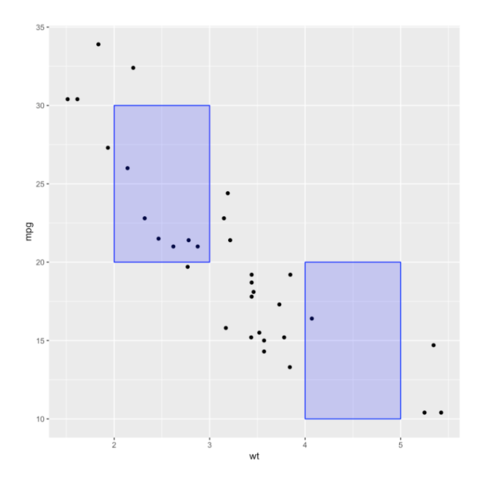
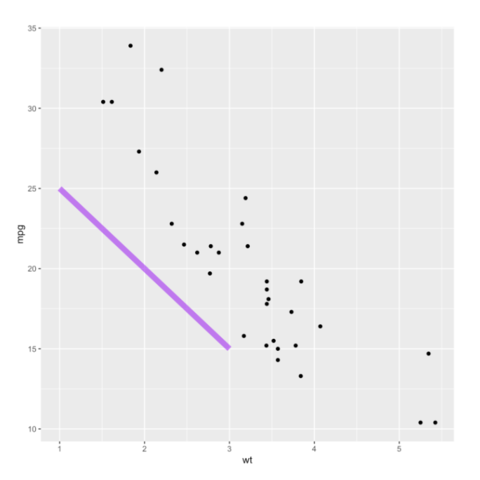
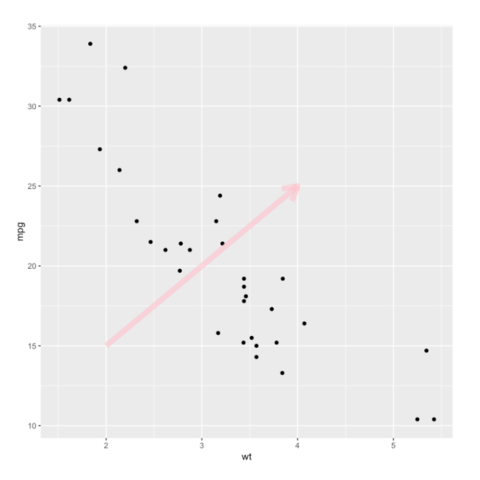
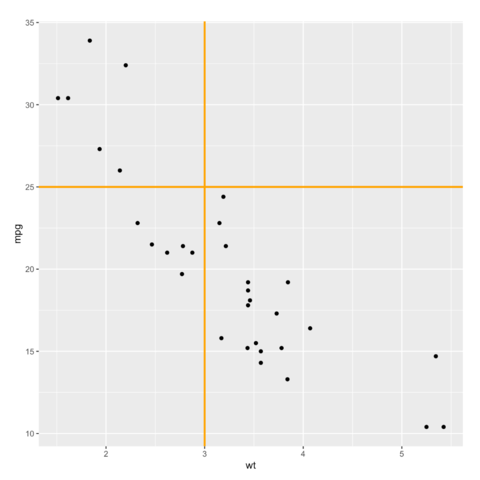
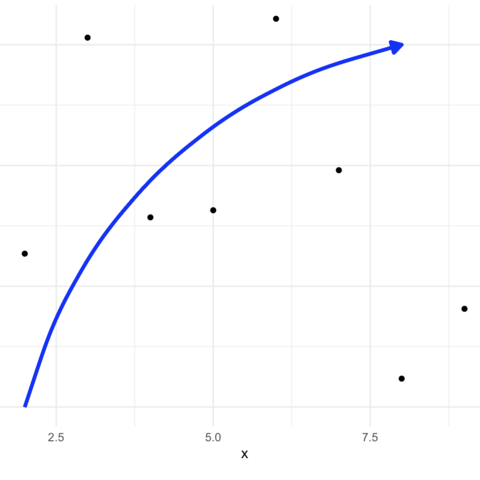
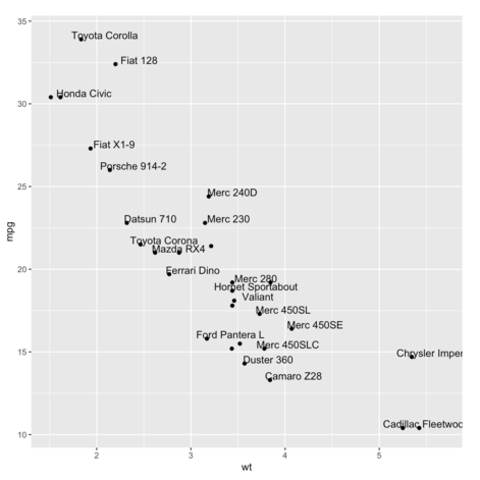
Annotation is a
key step
in data visualization. It allows to highlight the main message of the
chart, turning a messy figure in an insightful medium.
ggplot2 offers many function for this purpose, allowing
to add all sorts of text and shapes.
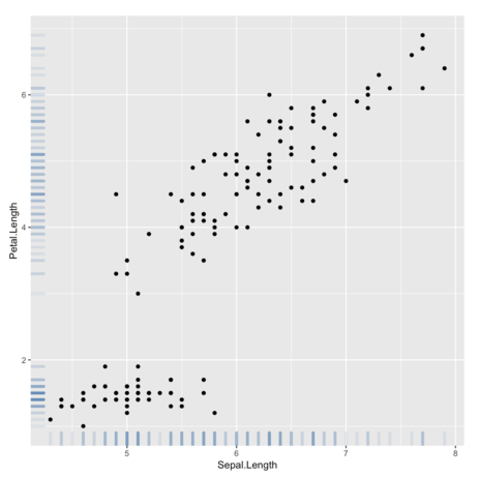
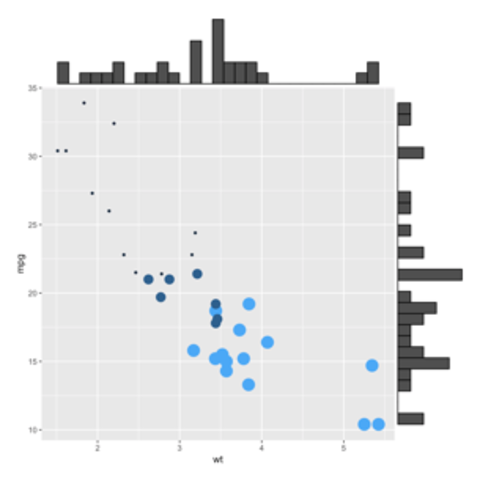
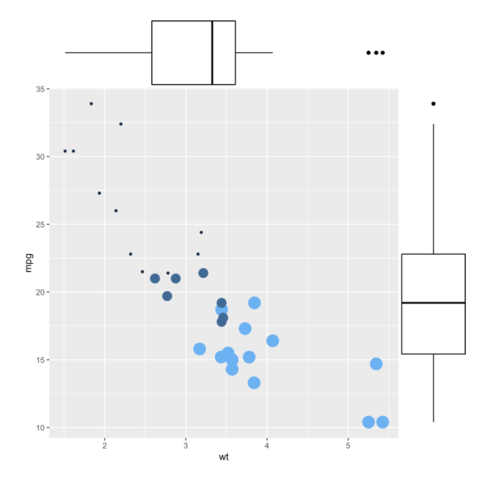
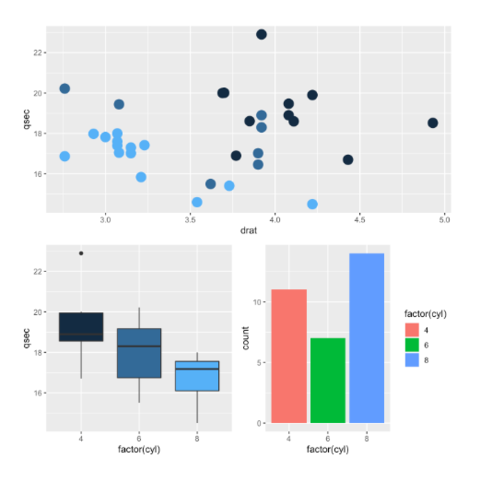
Marginal plots are not natively supported by ggplot2, but
their realisation is straightforward thanks to the
ggExtra library as illustrated in
graph #277.
ggplot2 chart appearance
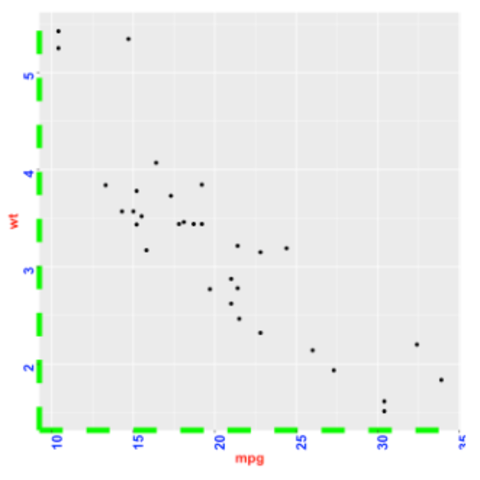
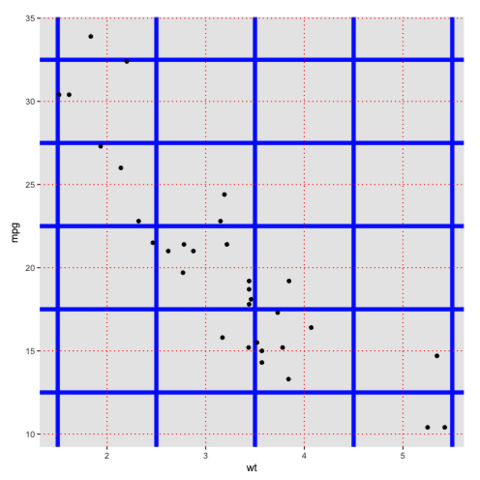
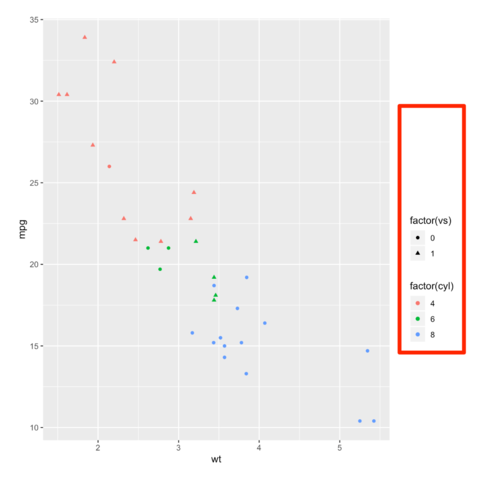
The theme() function of ggplot2 allows to
customize the chart appearance. It controls 3 main types of
components:
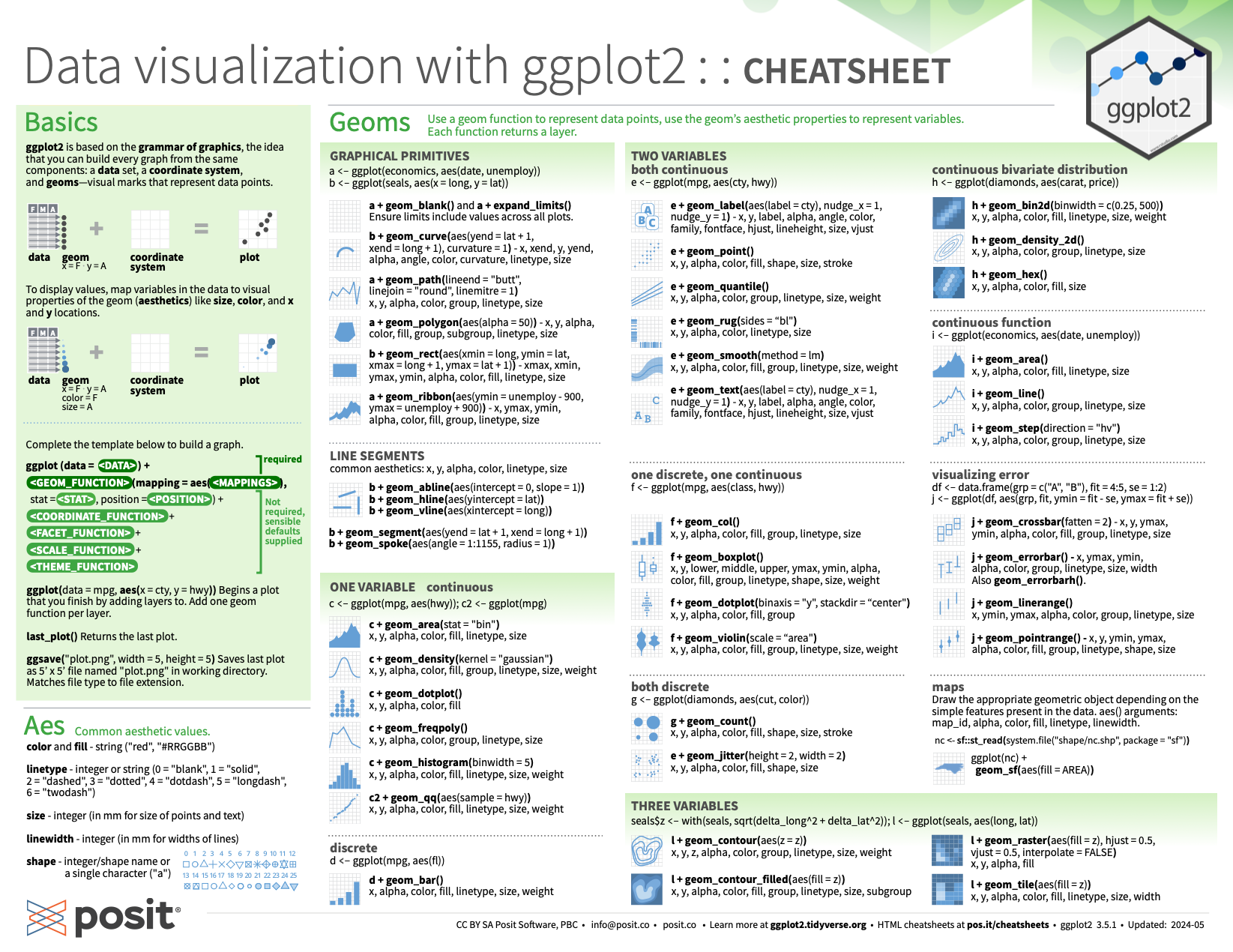
Here’s the official ggplot2 cheatsheet created by Posit. It covers all the key concepts of the library.
I've also compiled it with the most useful R and data visualization cheatsheets into a single PDF you can download:
ggplot2
A cheatsheet for quickly recalling the key functions and arguments of the ggplot2 library.
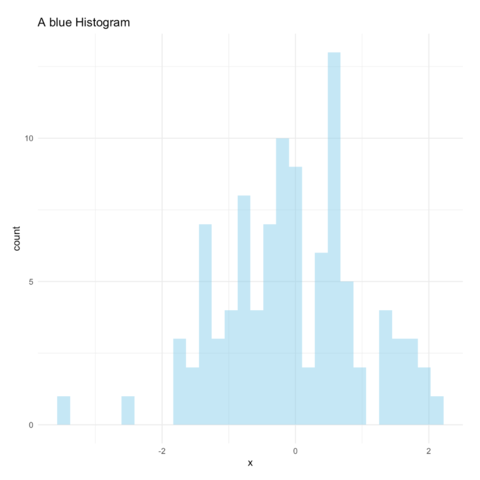
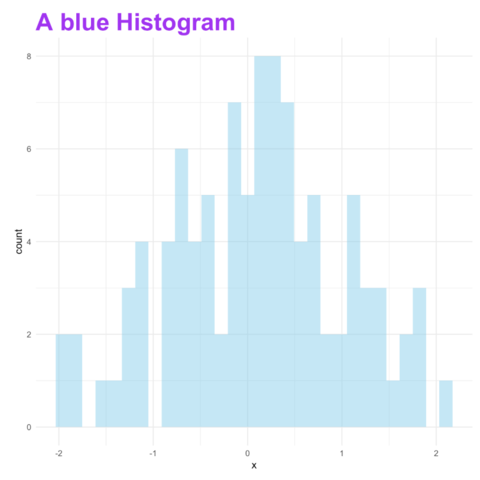
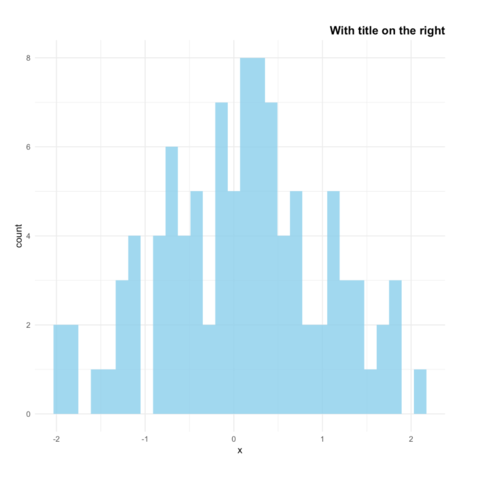
ggplot2 title
The ggtitle() function allows to add a title to the
chart. The following post will guide you through its usage, showing
how to control title main features: position, font, color, text and
more.
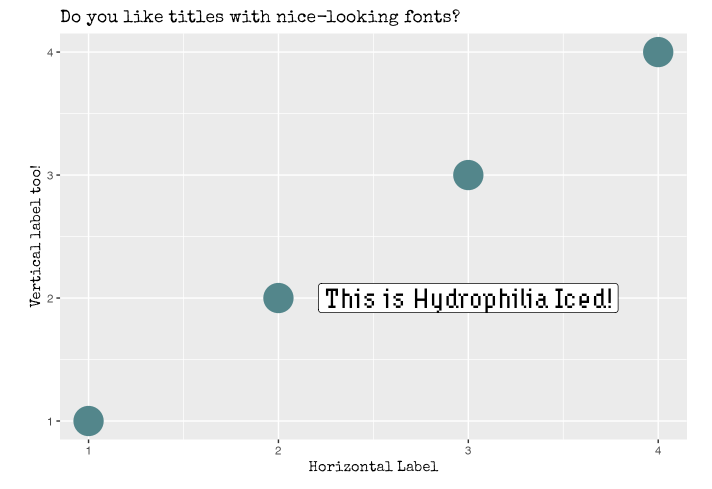
ggplot2
If you don't want your plot to look like any others, you'll definitely
be interested in using custom fonts for your title and labels! This is
totally possible thanks to 2 main packages: ragg and
showtext. The
blog-post below
should help you using any font in minutes.
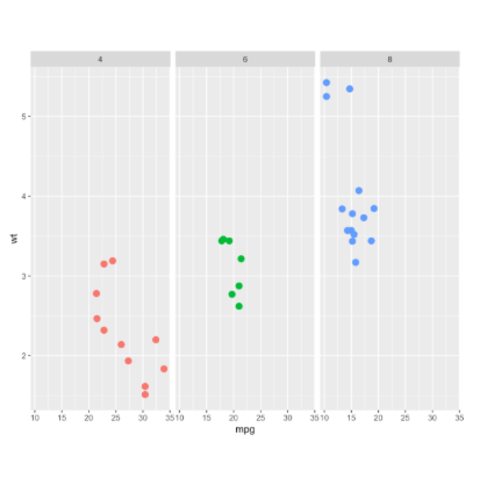
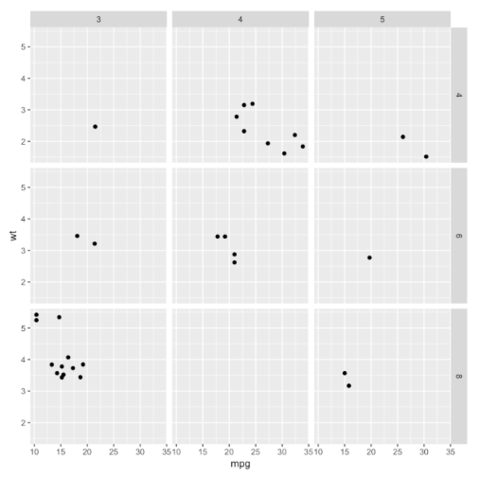
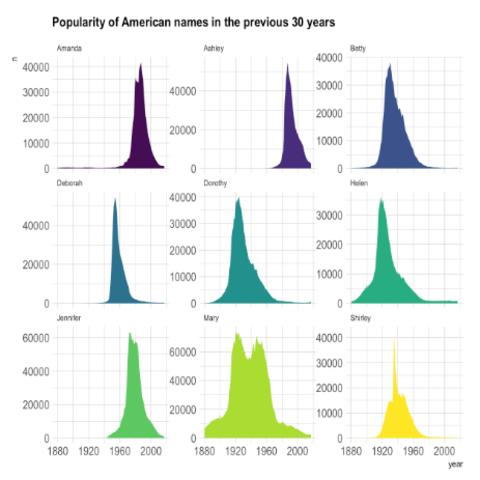
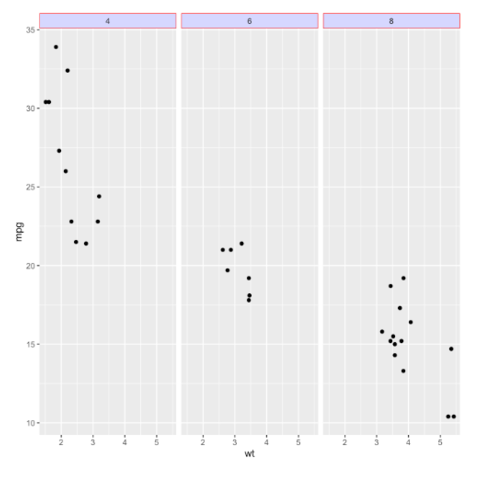
facet_wrap() and
facet_grid()
Small multiples is a very powerful dataviz technique. It split the
chart window in many small similar charts: each represents a specific
group of a categorical variable. The following post describes the main
use cases using facet_wrap() and
facet_grid() and should get you started quickly.
It is possible to customize any part of a ggplot2 chart
thanks to the theme() function. Fortunately, heaps of
pre-built themes are available, allowing to get a good style with one
more line of code only. Here is a glimpse of the available themes.
See code
Favored by video enthusiasts for its flexibility. Unlike VCD, which was limited to single audio and video tracks, an MKV container can store unlimited audio tracks, subtitles, and metadata in one file.
You have a Car headrest DVD player that only reads 320x240 MPEG-1. The Alternative: Downscaling. Use FFmpeg to convert modern files back to VCD specs, but with better source material.
4.7 GB (over six times the capacity of a standard CD).
To create a VCD quality alternative from existing VCD media, you can use several tools to convert the .DAT files on the disc to .MP4 .
This public link is valid for 7 days and shares a thread, including any personal information you added. This link or copies made by others cannot be deleted. If you share with third parties, their policies apply. Can’t copy the link right now. Try again later.
#HomeTheater #RetroTech #VCD #MovieNight #TechUpgrade
To find a modern alternative, we must first look at the technical benchmarks of VCD quality:
: Delivers full 1080p resolution (1920x1080 pixels).
The future of VCD quality alternatives is likely to be shaped by the increasing demand for high-definition video and the growing popularity of online video streaming. As technology continues to evolve, we can expect to see new formats and codecs emerge that offer even better video quality and compression efficiency.
What do you currently use to play your videos? Do you have existing VCD files that you need to convert? Share public link
The most direct technical evolution of the VCD. It utilizes MPEG-2 compression and boosts the resolution to 480x480 (NTSC) or 480x576 (PAL). While still an obsolete physical format, SVCD files provide a noticeable jump in sharpness and clarity over standard VCD.
: Requires modern processors for smooth playback and encoding.
If you are looking to upgrade from VCD, here are the most effective alternatives based on your specific needs:
MPEG-1 compression creates noticeable "blocking" and color banding during fast-moving scenes.