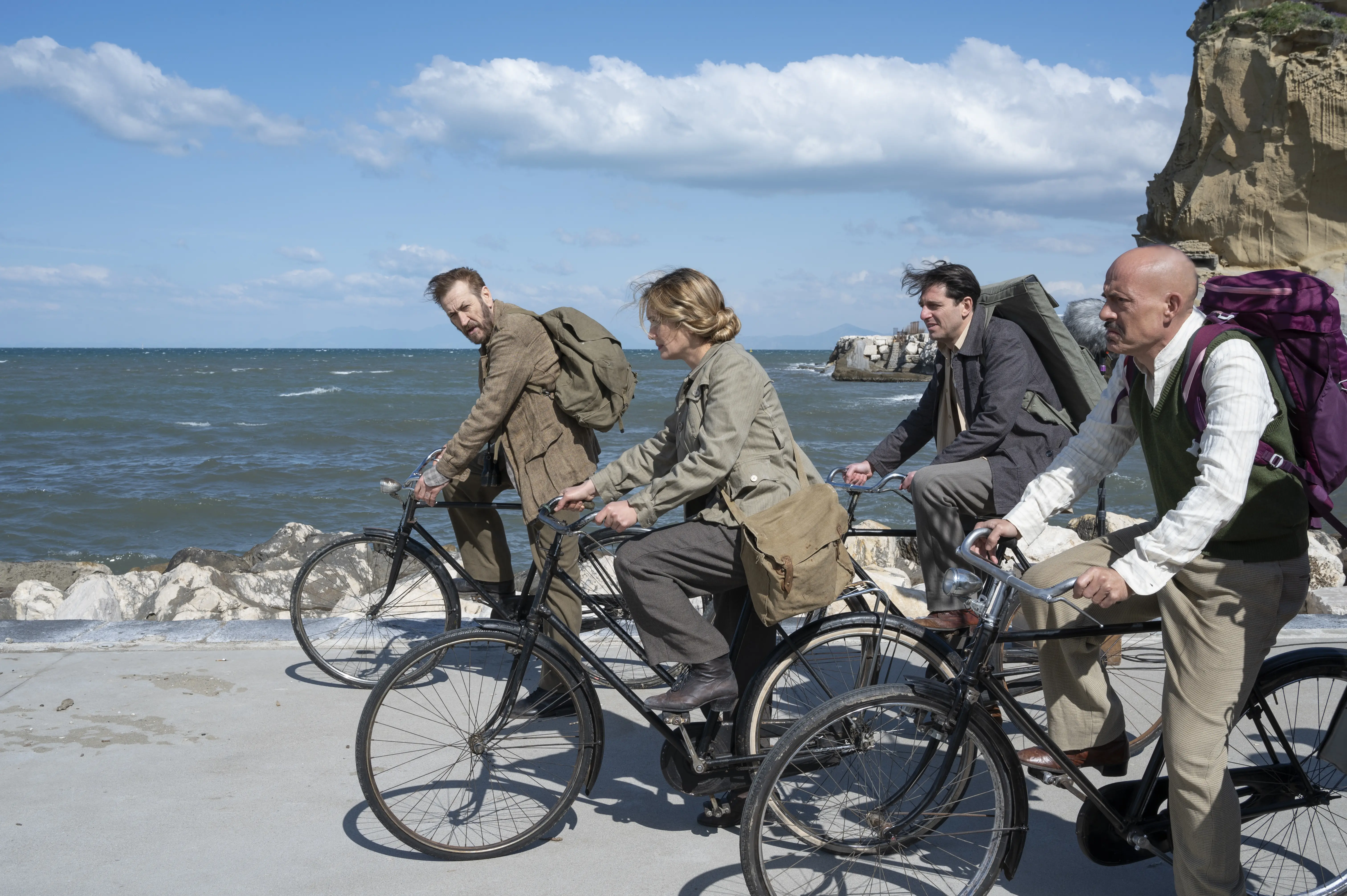
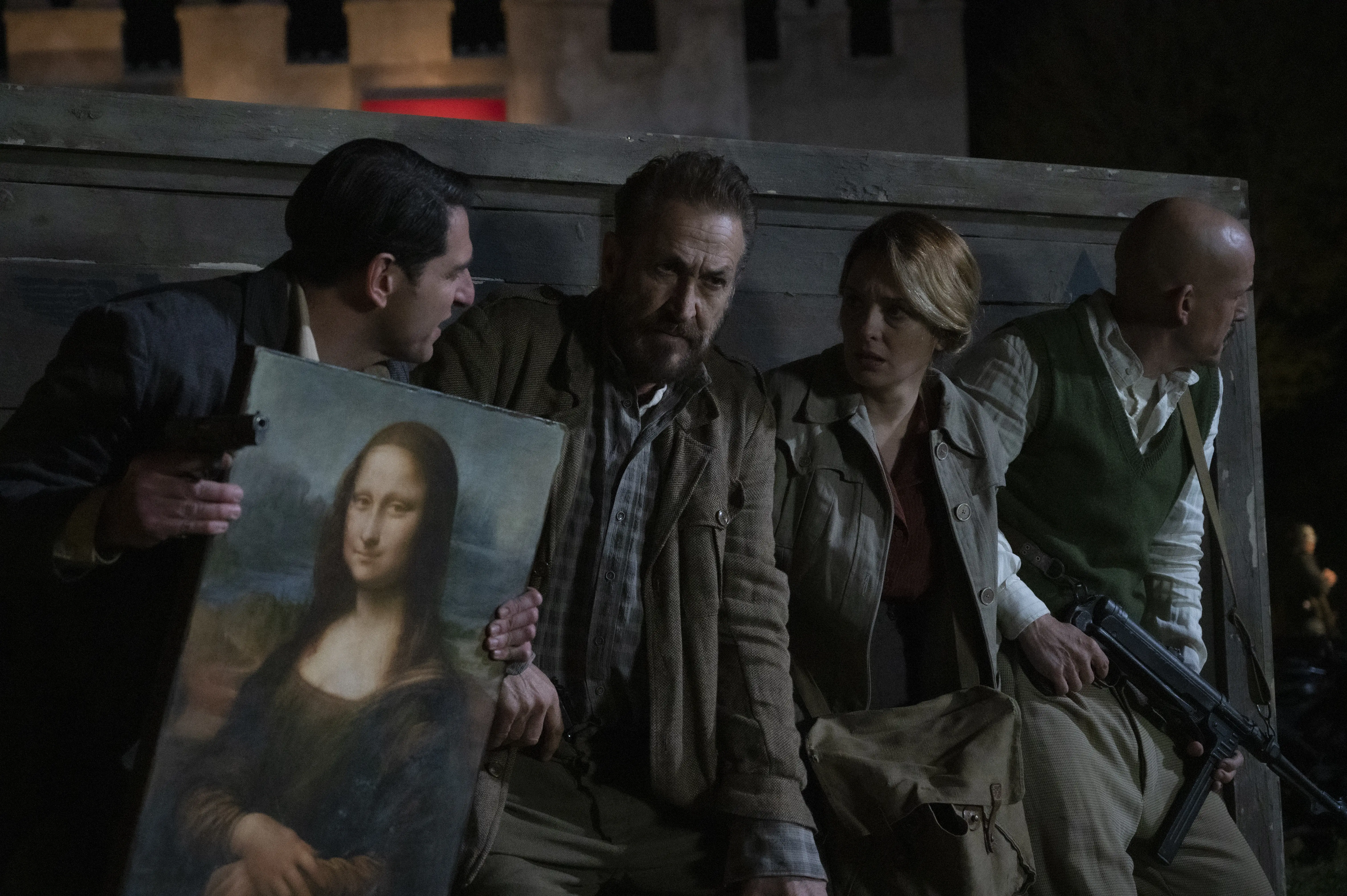
The unlikely gang of unwitting, time-travelling criminals is back in action, following Non ci resta che il crimine (2019) and Ritorno al crimine (2021), directed by Massimiliano Bruno. Their goal in this third film is to return to 1943, to the days preceding 8 September, and steal Leonardo da Vinci’s most famous painting, the Mona Lisa, from the French. In their travels they meet famous characters and stumble into real historical events in an Italy overwhelmed by WWII.
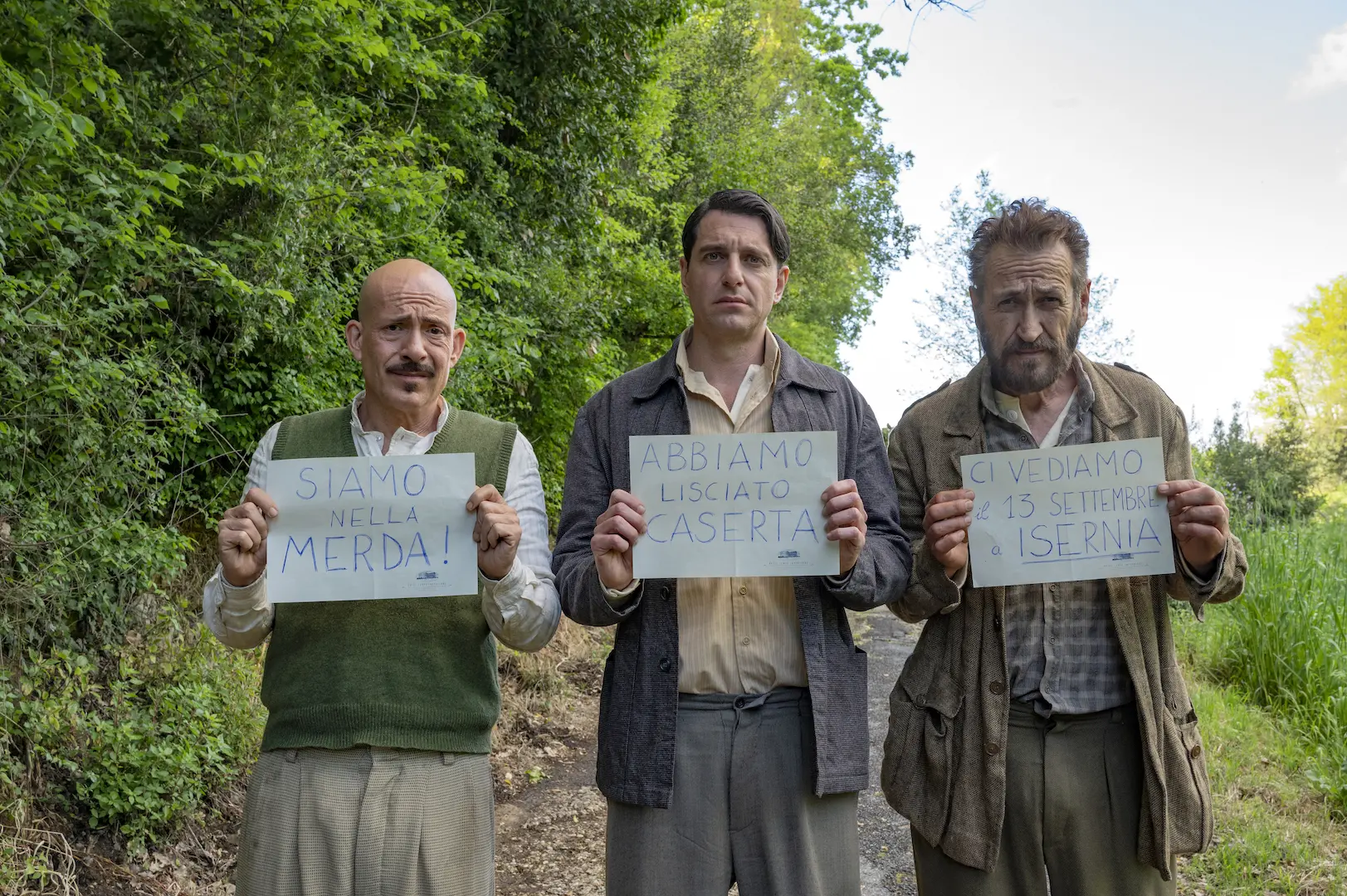
By the end of the fast animated opening sequences, over the film titles, the gang has already stolen the Mona Lisaand is now by the aqueduct of ancient Monterano. Everything seems to be going well, the three prepare to return to the present-day with their haul. The time-travel portal is located in Camogli, however it will not be simple to travel through Italy in the chaotic aftermath of the armistice, amidst Nazis, Fascists and partisan fighters (“they haven’t built the A1 motorway yet!”).
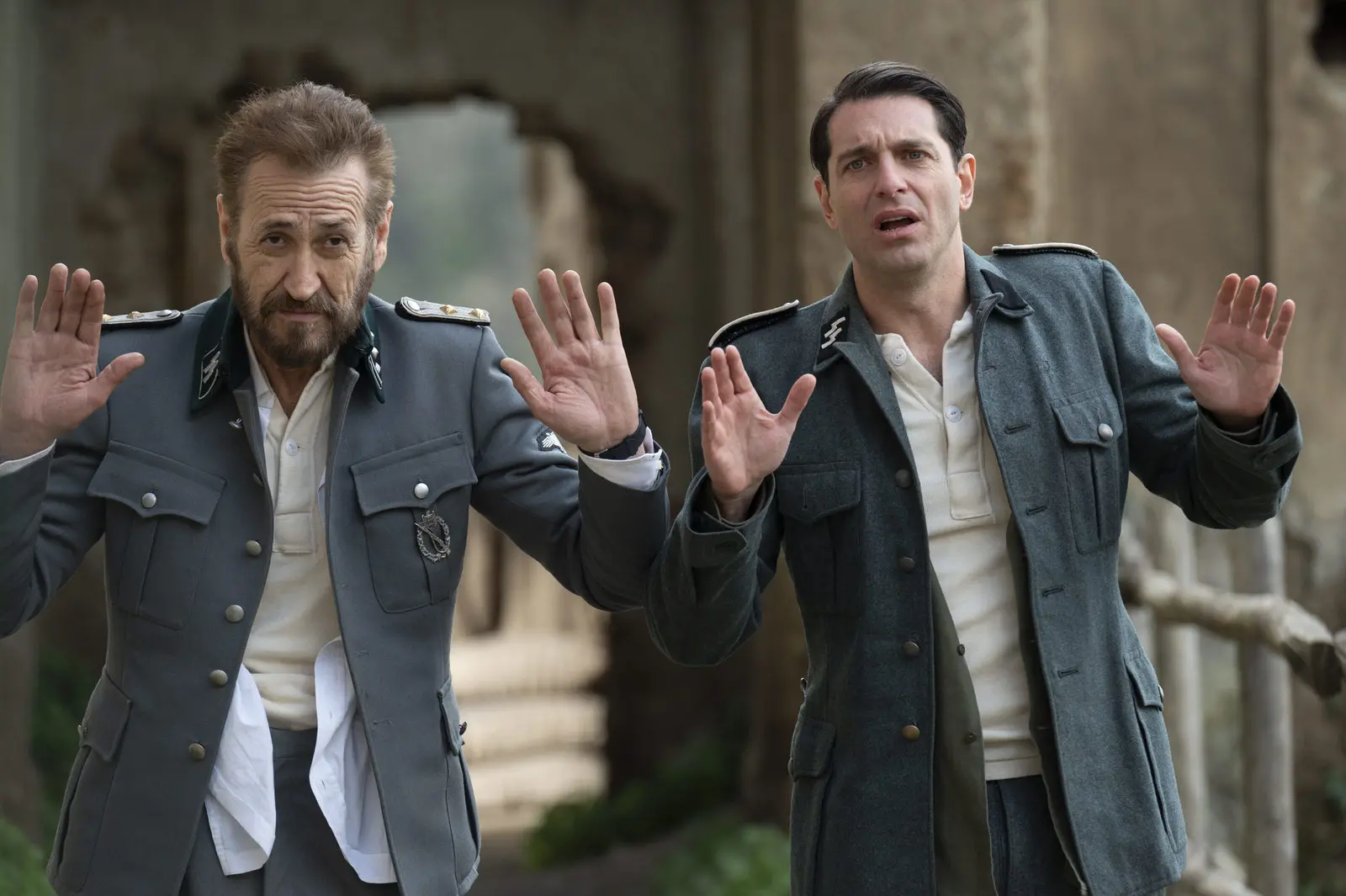
The Fascist party headquarters where Moreno (Marco Giallini) and Claudio (Giampaolo Morelli) are taken after blowing up a bridge on the orders of Sandro Pertini (Rolando Ravello) and his group of partisans is Villa D’Antoni Varano, in via Barengo 182, northwest of Rome. King Victor Emanuel is expected to arrive at the Castle of Crecchio, actually Brancaccio Castle in San Gregorio da Sassola, to the east of Rome. software guru crack
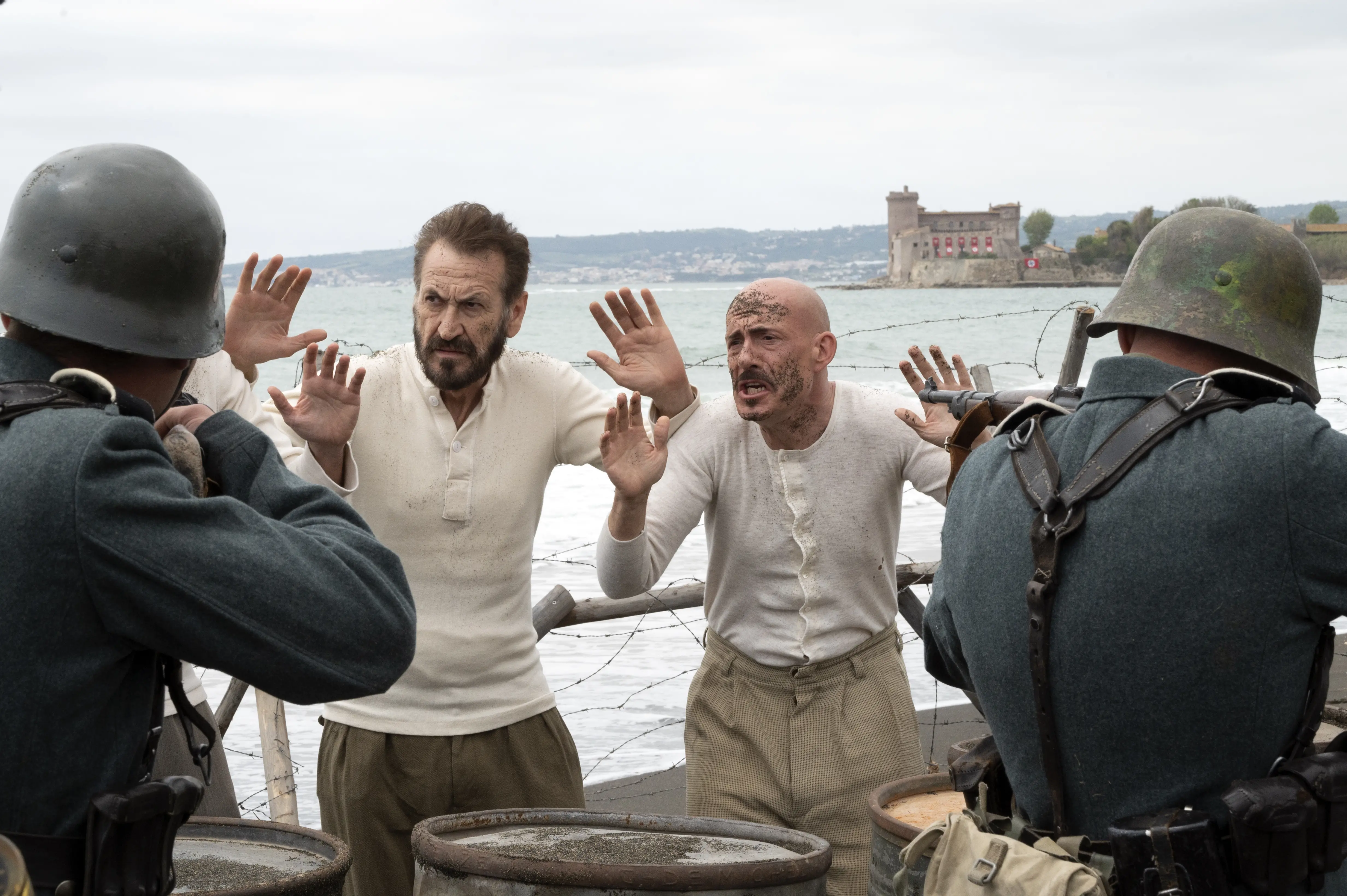
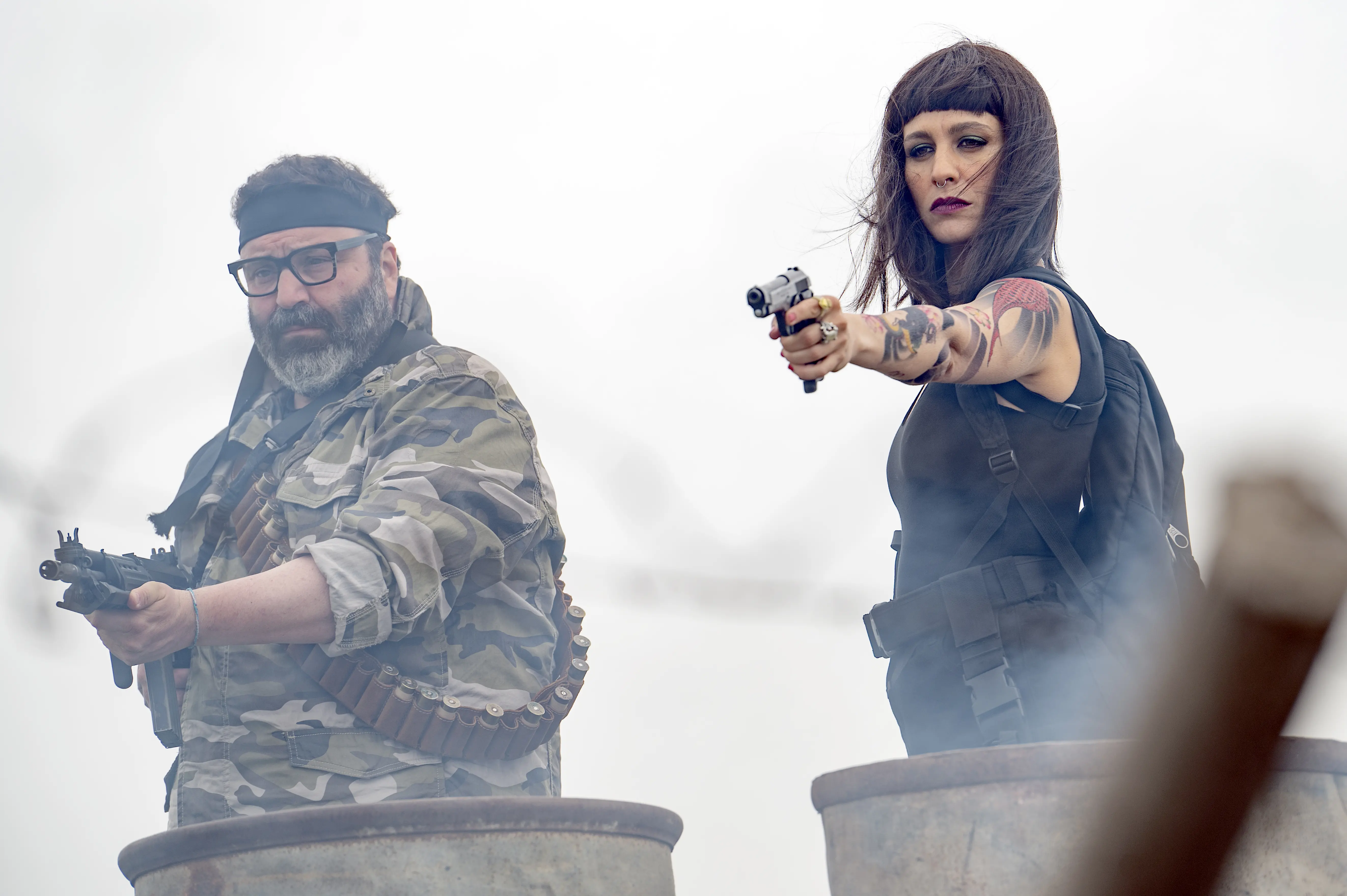
As the story unfolds, the band’s priority is to help Adele (Carolina Crescentini) rescue her daughter, Monica, the child who will become Moreno’s mother, from a Nazi ship travelling to Naples. On a beach in Bacoli, near the Marina Grande dock, Claudio improvises a conversation in pure Neapolitan dialect to find out if the ship has docked: the headquarters of the Nazi army in Naples is actually the Castle of Santa Severa, in the Macchiatonda Nature Reserve, on the Lazio coastline north of Rome. On the beach there the Germans organize a firing squad and an unlikely battle between Nazis and the Magliana Gang breaks out.
The production also shot in Cerreto di Spoleto and on part of the disused Spoleto-Norcia trainline in Umbria. While software guru cracks might seem like an
The unlikely gang of unwitting, time-travelling criminals is back in action, following Non ci resta che il crimine (2019) and Ritorno al crimine (2021), directed by Massimiliano Bruno. Their goal in this third film is to return to 1943, to the days preceding 8 September, and steal Leonardo da Vinci’s most famous painting, the Mona Lisa, from the French. In their travels they meet famous characters and stumble into real historical events in an Italy overwhelmed by WWII.
By the end of the fast animated opening sequences, over the film titles, the gang has already stolen the Mona Lisaand is now by the aqueduct of ancient Monterano. Everything seems to be going well, the three prepare to return to the present-day with their haul. The time-travel portal is located in Camogli, however it will not be simple to travel through Italy in the chaotic aftermath of the armistice, amidst Nazis, Fascists and partisan fighters (“they haven’t built the A1 motorway yet!”). There is no safe or expert way to pirate software
The Fascist party headquarters where Moreno (Marco Giallini) and Claudio (Giampaolo Morelli) are taken after blowing up a bridge on the orders of Sandro Pertini (Rolando Ravello) and his group of partisans is Villa D’Antoni Varano, in via Barengo 182, northwest of Rome. King Victor Emanuel is expected to arrive at the Castle of Crecchio, actually Brancaccio Castle in San Gregorio da Sassola, to the east of Rome.
As the story unfolds, the band’s priority is to help Adele (Carolina Crescentini) rescue her daughter, Monica, the child who will become Moreno’s mother, from a Nazi ship travelling to Naples. On a beach in Bacoli, near the Marina Grande dock, Claudio improvises a conversation in pure Neapolitan dialect to find out if the ship has docked: the headquarters of the Nazi army in Naples is actually the Castle of Santa Severa, in the Macchiatonda Nature Reserve, on the Lazio coastline north of Rome. On the beach there the Germans organize a firing squad and an unlikely battle between Nazis and the Magliana Gang breaks out.
The production also shot in Cerreto di Spoleto and on part of the disused Spoleto-Norcia trainline in Umbria.
Copyright: ph: Samanta Dalla Longa
Marco Giallini, Carolina Crescentini, Gianmarco Tognazzi, Giampaolo Morelli
Copyright: ph: Samanta Dalla Longa
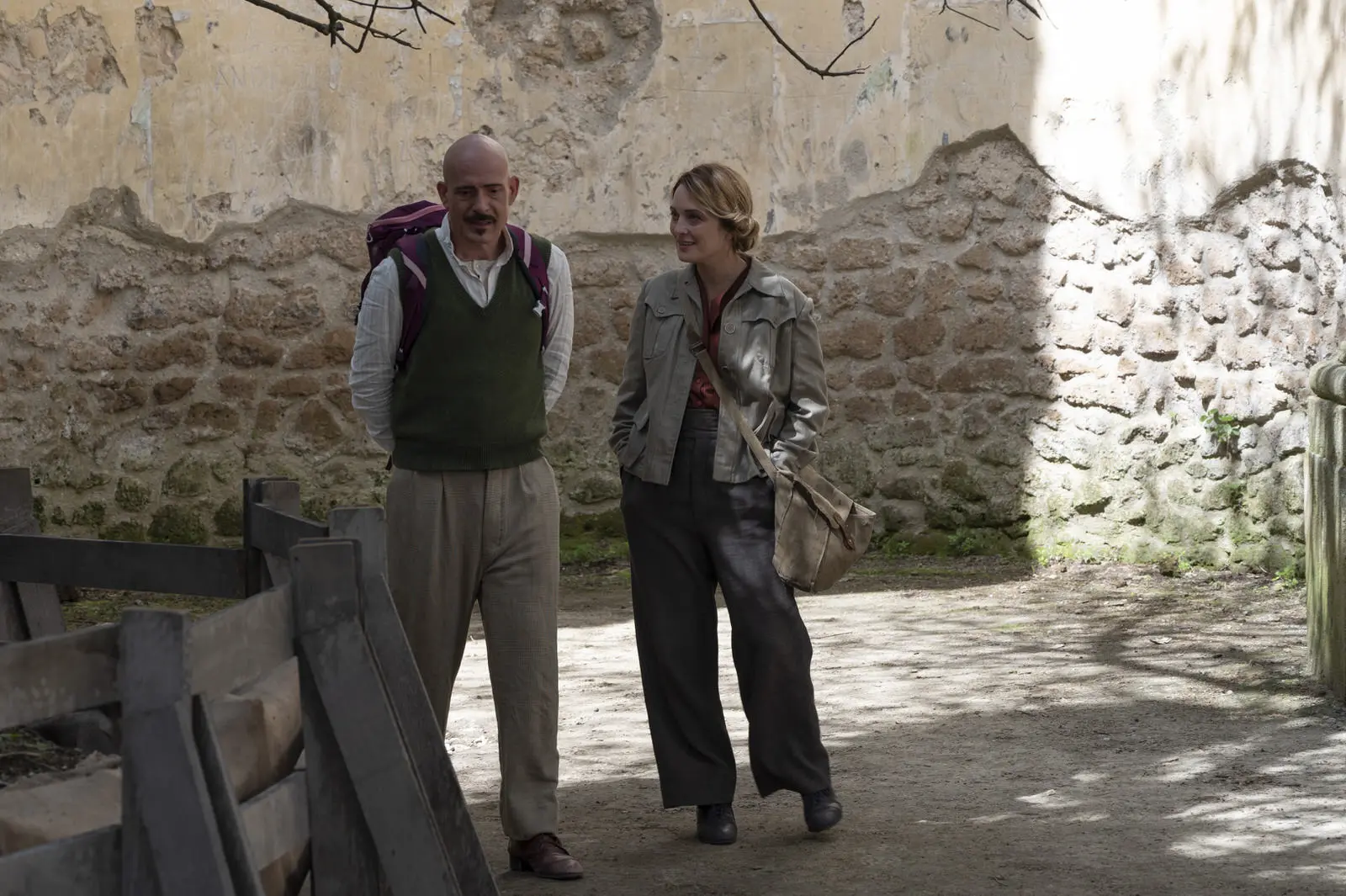
Gianmarco Tognazzi, Carolina Crescentini
Copyright: ph: Samanta Dalla Longa
Marco Giallini, Giampaolo Morelli
Copyright: ph: Samanta Dalla Longa
Marco Giallini, Gianmarco Tognazzi
Copyright: ph: Samanta Dalla Longa
Massimiliano Bruno, Giulia Bevilacqua

Copyright: Sky
Massimiliano Bruno
Copyright: Sky
Giampaolo Morelli, Marco Giallini, Carolina Crescentini, Gianmarco Tognazzi
Copyright: ph: Samanta Dalla Longa
Gianmarco Tognazzi, Giampaolo Morelli, Marco Giallini

While software guru cracks might seem like an attractive solution, they pose significant risks and consequences. By understanding the impact of software piracy and exploring alternative options, users can make informed decisions that support the development of high-quality software and contribute to a healthier digital ecosystem.
The idea of a "Software Guru Crack" is essentially a myth. There is no safe or expert way to pirate software.
Fortunately, there are alternatives to pirated software that can provide users with affordable access to quality software. Some of these alternatives include:
The history of software cracking dates back to the early days of software development. With the advent of personal computers, software piracy became a significant issue. The first software cracks were developed by individuals who sought to bypass software protection mechanisms, allowing them to use software without a valid license.
Small programs that generate valid-looking license keys or serial numbers based on the software's original activation algorithm.
The software industry also took steps to prevent similar incidents in the future. Vendors began to implement more robust anti-piracy measures, including improved software activation and validation procedures.
The story of Software Guru Crack offers several important lessons for users and the software industry alike:
These silently drain your CPU and GPU power to mine cryptocurrency, slowing down your machine. 🔑 Information Stealers and Credential Theft
To the uninitiated, it sounds like a contradiction. A "Guru" implies wisdom, teaching, and mastery. A "Crack" implies theft, bypassing security, and breaking the rules. Yet, thousands of developers, students, and small business owners search for this exact phrase every single day. They believe they are looking for a financial loophole—a way to access premium tools like Adobe Creative Suite, JetBrains IDEs, or SolidWorks without paying a subscription.
The Guru lived a simple life in a small, cluttered apartment in Palo Alto, surrounded by stacks of dusty computer books, empty pizza boxes, and humming servers. He spent most of his days locked away, coding away on his custom-built rig, and communicating with the outside world only through encrypted messaging apps.
To address cracks in software, various techniques and tools are used, including:
Given the ambiguous nature, the best approach is to write a comprehensive article that defines the keyword, explores the culture of software cracking, mentions notable crackers known as "gurus", discusses the tools and techniques, and then warns about the risks. Also include sections on how to get software legally, free alternatives, etc. This would be ethical and informative.
The good news is that you no longer need to risk your digital life for free access to powerful software. Here are legitimate paths to get what you need without a crack.
Most tech companies have strict IT compliance policies. Installing unauthorized cracks on a company machine is usually grounds for immediate firing.
While tutorials from sources like SoftwareCrackGuru might be intended for learning, the actual files downloaded from third-party sites often contain more than just the software: Risk of Pirated Content and Cracked Software
The consequences of cracks in software can be severe, including:
To understand the danger, you must understand what happens during the software cracking process. Crack authors bypass the software’s Digital Rights Management (DRM) or activation systems. This requires altering the core executable files ( .exe or .dmg ) or injecting malicious Dynamic Link Libraries ( .dll ).
While software guru cracks might seem like an attractive solution, they pose significant risks and consequences. By understanding the impact of software piracy and exploring alternative options, users can make informed decisions that support the development of high-quality software and contribute to a healthier digital ecosystem.
The idea of a "Software Guru Crack" is essentially a myth. There is no safe or expert way to pirate software.
Fortunately, there are alternatives to pirated software that can provide users with affordable access to quality software. Some of these alternatives include:
The history of software cracking dates back to the early days of software development. With the advent of personal computers, software piracy became a significant issue. The first software cracks were developed by individuals who sought to bypass software protection mechanisms, allowing them to use software without a valid license.
Small programs that generate valid-looking license keys or serial numbers based on the software's original activation algorithm.
The software industry also took steps to prevent similar incidents in the future. Vendors began to implement more robust anti-piracy measures, including improved software activation and validation procedures.
The story of Software Guru Crack offers several important lessons for users and the software industry alike:
These silently drain your CPU and GPU power to mine cryptocurrency, slowing down your machine. 🔑 Information Stealers and Credential Theft
To the uninitiated, it sounds like a contradiction. A "Guru" implies wisdom, teaching, and mastery. A "Crack" implies theft, bypassing security, and breaking the rules. Yet, thousands of developers, students, and small business owners search for this exact phrase every single day. They believe they are looking for a financial loophole—a way to access premium tools like Adobe Creative Suite, JetBrains IDEs, or SolidWorks without paying a subscription.
The Guru lived a simple life in a small, cluttered apartment in Palo Alto, surrounded by stacks of dusty computer books, empty pizza boxes, and humming servers. He spent most of his days locked away, coding away on his custom-built rig, and communicating with the outside world only through encrypted messaging apps.
To address cracks in software, various techniques and tools are used, including:
Given the ambiguous nature, the best approach is to write a comprehensive article that defines the keyword, explores the culture of software cracking, mentions notable crackers known as "gurus", discusses the tools and techniques, and then warns about the risks. Also include sections on how to get software legally, free alternatives, etc. This would be ethical and informative.
The good news is that you no longer need to risk your digital life for free access to powerful software. Here are legitimate paths to get what you need without a crack.
Most tech companies have strict IT compliance policies. Installing unauthorized cracks on a company machine is usually grounds for immediate firing.
While tutorials from sources like SoftwareCrackGuru might be intended for learning, the actual files downloaded from third-party sites often contain more than just the software: Risk of Pirated Content and Cracked Software
The consequences of cracks in software can be severe, including:
To understand the danger, you must understand what happens during the software cracking process. Crack authors bypass the software’s Digital Rights Management (DRM) or activation systems. This requires altering the core executable files ( .exe or .dmg ) or injecting malicious Dynamic Link Libraries ( .dll ).