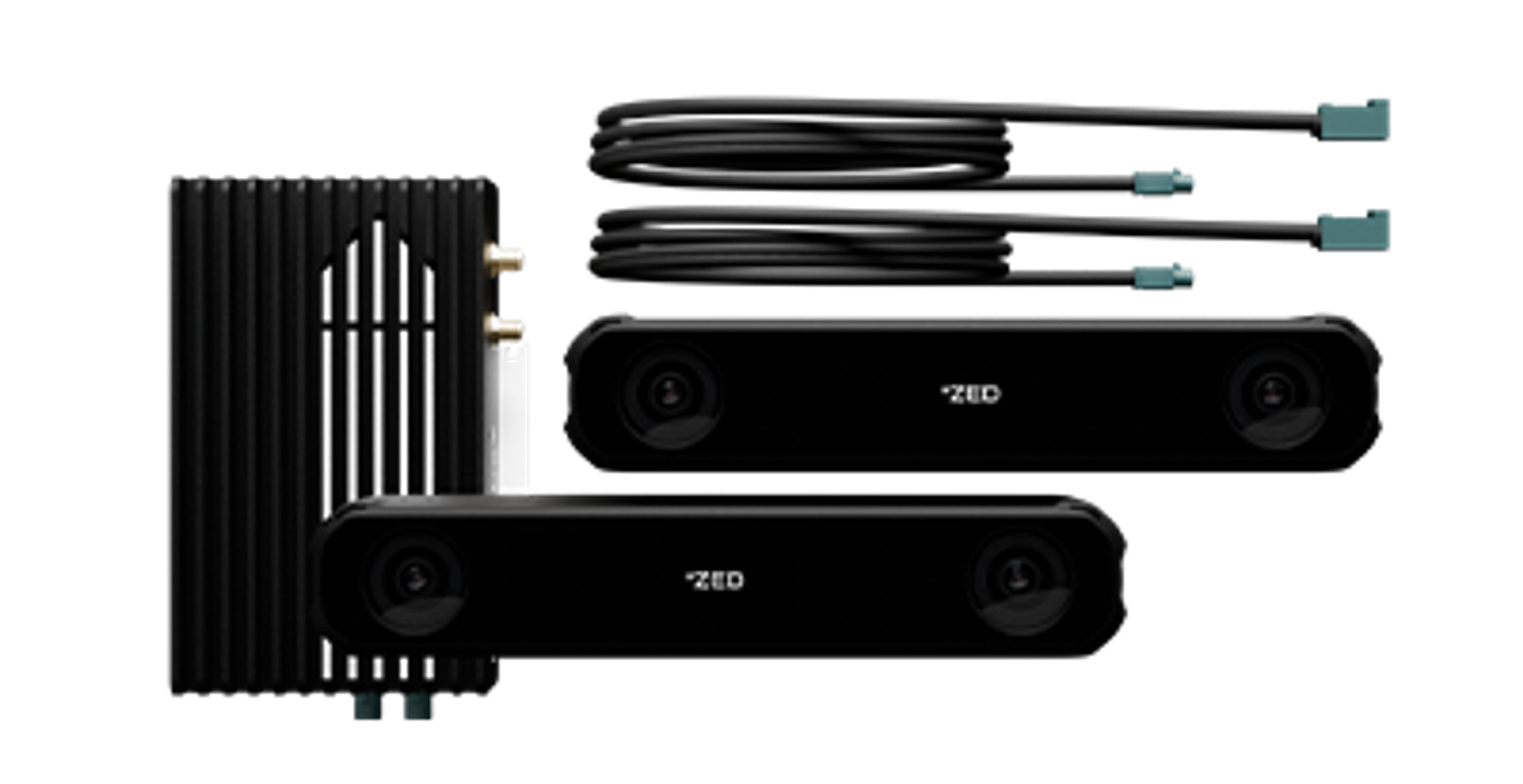
The ZED SDK allows you to add depth, motion sensing and spatial AI to your application. Available as a standalone installer, it includes applications, tools and sample projects with source code.
Blackwell GPUs must use TensorRT 10 and CUDA 12
Pascal GPUs must use TensorRT 8
Helping older hardware run the game by stripping away intensive rendering calls.
One classic admin trick: Throw a smoke grenade. In legitimate OpenGL, you see a gray cloud. In many poorly coded wallhacks, the smoke renders incorrectly—either not at all (clear smoke) or the smoke doesn't obscure player models.
Wallhacks typically target specific OpenGL functions responsible for rendering primitives and managing state variables:
One well‑documented open‑source example is oxWARE , a publicly available cheat comprising over 72,000 lines of C++ code. It supports multiple versions of CS 1.6 (including Steam build 8684 and non‑Steam builds 4554 and 3266) and implements its own loader, anti‑cheat bypasses, and a full imgui‑based interface. Another minimalist repository, OpenGL-Wallhack Simplebase by KkK1337, provides a stripped‑down template for educational purposes. opengl wallhack cs 1.6
Which of these would you like?
Valve Anti-Cheat (VAC) actively scans for modified opengl32.dll files. A detected hack results in a permanent, irreversible ban on that Steam account.
Unlike modern cheats that read system memory or inject complex code into game binaries, early CS 1.6 wallhacks often manipulated the way the graphics card rendered the game world. Here is a deep dive into what an OpenGL wallhack is, how it works, and how it shaped the security landscape of tactical shooters. What is an OpenGL Wallhack? Helping older hardware run the game by stripping
Wallhacks are a type of cheat that modifies the game's rendering to display objects or players that are not visible to the naked eye. In CS 1.6, wallhacks allow players to see through walls, floors, and other solid objects, giving them a significant advantage in gameplay. There are several types of wallhacks, but OpenGL wallhacks are one of the most common.
The OpenGL wallhack in CS 1.6 represents a foundational chapter in the history of cybersecurity in gaming. The cat-and-mouse game between CS 1.6 programmers and anti-cheat developers laid the groundwork for the kernel-level anti-cheat systems used in modern competitive shooters today.
The era of simply dropping an opengl32.dll file into a folder to see through walls is long gone. Modern tactical shooters like Counter-Strike 2 or Valorant utilize sophisticated, kernel-level anti-cheat systems (like Vanguard or updated VACnet architectures) alongside advanced server-side optimization. Today's game engines use aggressive occlusion culling, meaning the server literally refuses to tell your computer where an enemy is until they are fractions of a second away from stepping around a corner. In many poorly coded wallhacks, the smoke renders
: The cheat often uses the glDepthFunc function. Normally, OpenGL only draws objects in the foreground. By forcing the depth function to GL_ALWAYS , the game renders all elements—including player models—regardless of whether they are behind a wall.
Here's a simplified example (not a working code) to give you an idea of how this could work:
OpenGL wallhacks in CS 1.6 are a fascinating example of how technical expertise can be used to manipulate game behavior. While wallhacks can provide a significant advantage in gameplay, their use is against the terms of service of the game and can result in penalties, including account bans. The development and use of wallhacks also raise questions about the balance between game security and player freedom. As the gaming community continues to evolve, understanding the technical aspects of wallhacks can provide valuable insights into game development, security, and fair play.
If you're interested in game development or creating visual effects with OpenGL, here are some general steps to get started:
The Mechanics of Nostalgia and Exploits: Understanding the OpenGL Wallhack in CS 1.6
For older releases and changelog, see the ZED SDK release archive.
get_python_api.pyzed) and numpy that occurred specifically on Windows platforms with Python versions 3.9, 3.10, and 3.11. This fix ensures stable integration and prevents runtime errors related to ABI mismatches in these configurations.getVideoSettings(sl::VIDEO_SETTINGS::WHITEBALANCE_AUTO) on ZED-X / ZED-XOne, which was returning an incorrect value at launch (noticeable in ZED Explorer with multiple cameras).--config option in ZED Media Server.--force-reinstall by default to avoid issues with stale pyzed after reinstallation.setSVOPosition functions using index or timestamp input. It should now set the expected frame.retrieveImage output when using specific resolutions. The issue could affect grayscale or low-resolution images.isVideoSettingsSupported function with the AEC_AGC_ROI setting that would return invalid results.retrieveObjects and retrieveBodies with runtime parameters is now deprecated. Setting runtime parameters should now be done using the dedicated setters.Camera::retrieveImageCamera::retrieveMeasureblobFromImage, and blobFromImages, for converting images to Deep Learning model tensor inputs.Mat::convertColor, for common color conversions, such as swapping red and blue channels and removing the alpha channel.sl::CameraOneInitParameters::depth_stabilization value set to 30, it provides a more stable depth with minimal motion artifactsCamera::retrieveObjects to Camera::retrieveCustomObjects for custom object detection. The default behavior remains unaffected, but the new method is required when using CustomObjectDetectionRuntimeParameters.CustomObjectDetectionProperties struct:(min|max)_box_(width|height)_meters, to give control to maximum 3D objects dimensionsnative_mapped_class, to allow remapping a custom label to the SDK’s internal SUBCLASS and profit the internal tuningobject_acceleration_preset and max_allowed_acceleration to have better control of the tracked objects' maximum accelerationGEN_2resetPositionalTracking when using Positional Tracking GEN_2read() function for more efficient asynchronous detection.