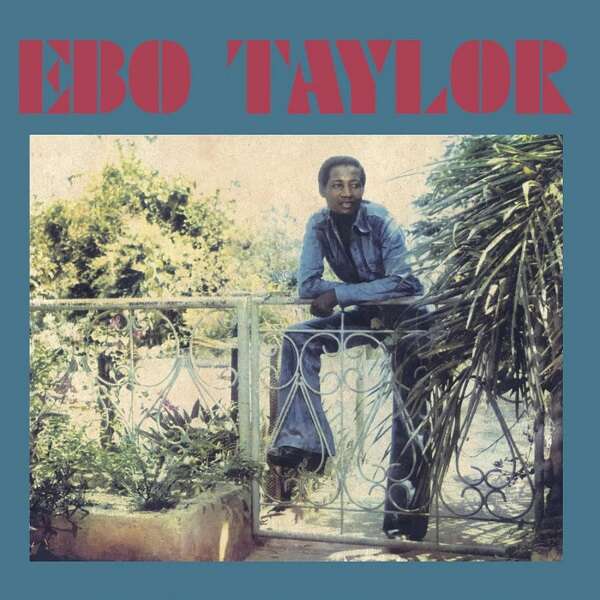
Peter Effiom and his Rabalac Messengers esuk utan
Simoun proves that peaceful reforms are impossible.
This specific sequence represents the intense mid-game of the novel. It shifts from the superficial, comedic high society drama at the Teatro de Variedades straight into dark conspiracies, political betrayals, and the tragic deaths of major characters like Maria Clara and Juli.
| Time | Visual / Audio | Script | |------|----------------|--------| | 7:01‑7:15 | End screen with “Subscribe”, “Like”, and “Comment” icons. | “If you found this breakdown useful, smash that button, subscribe , and drop a comment: Which moment in Chapter ___ shocked you the most? .” | | 7:16‑7:30 | Teaser thumbnail for the next video (e.g., “The Final Plot of El Filibusterismo – Spoiler Alert!”). | “Next week we’ll decode the climactic ball and its tragic fallout. Stay tuned, and keep reading, because the story of our nation is still being written!” |
: Simoun, Basilio, Isagani, at Kapitan Basilio. Seksyon ng Script: Kabanata 2 (Sample Template)
Focus on the sound design—the chatter of the crowd, the poor performance of the actors, and the whispering of the students. 2. The Students' Banquet (Kabanata 25) Script Focus: Intense dialogue and passionate speeches.
The most iconic object in the book. A script focusing on this must emphasize the tension of the lamp being prepared to explode at the wedding reception.
| Visual | Script | |--------|--------| | Split‑screen: Simoun (cold, calculating) vs. Padre (soft, compassionate). | “A heated debate erupts over justice vs. vengeance . Simoun argues that only a violent spark can ignite change; Florentino counters that moral purity can outshine the sword.” | | Quote overlay: “ Ang katarungan ay di dapat magpahinga ” | “Rizal uses this clash to personify the Philippines’ own struggle: do we fight the oppressor head‑on, or win hearts through education and faith?” | | Slow‑motion of a candle being blown out. | “The candle dying signals the fragile nature of their ideals—an image that repeats later when the rebellion finally erupts.” |
This chapter sheds light on the struggles of the working class, particularly the laborers who toil under harsh conditions. Rizal underscores the vast disparities in wealth and the exploitation of the poor by the wealthy elite. The characters of Juli and her family serve as a poignant example of the hardships faced by ordinary Filipinos.
Basilio, the hopeful medical student, is accused of being a filibustero (subversive) simply for owning a newspaper. He is publicly whipped by the Guardia Civil .
Sa kabanatang ito, nilisan ni Simoun ang itaas ng kubyerta upang bumaba sa masikip, mainit, at mausok na ibaba ng Bapor Tabo. Dito ay kinaharap niya ang dalawang natatanging mag-aaral: si , na nag-aaral ng medisina, at si Isagani , isang makata. Ipinapakita rito ang malaking pagkakaiba ng antas ng lipunan (social classes) sa pagitan ng mayayaman sa itaas at ng mga karaniwang Pilipino sa ibaba. Tampok din dito ang mainit na diskusyon ukol sa Akademya ng Wikang Kastila na isinusulong ng mga kabataan. Gabay sa Pagsulat ng Script (Kabanata 2)
Without access to the specific script or detailed content of chapters 21-30 ("kabanata 21-30" in Filipino), a comprehensive review can't be provided. However, here's a general overview of what one might expect from this section of the book:
If you are producing a play, these chapters offer the most dramatic tension, turning the quiet desperation of the earlier chapters into a loud, inevitable crisis.